

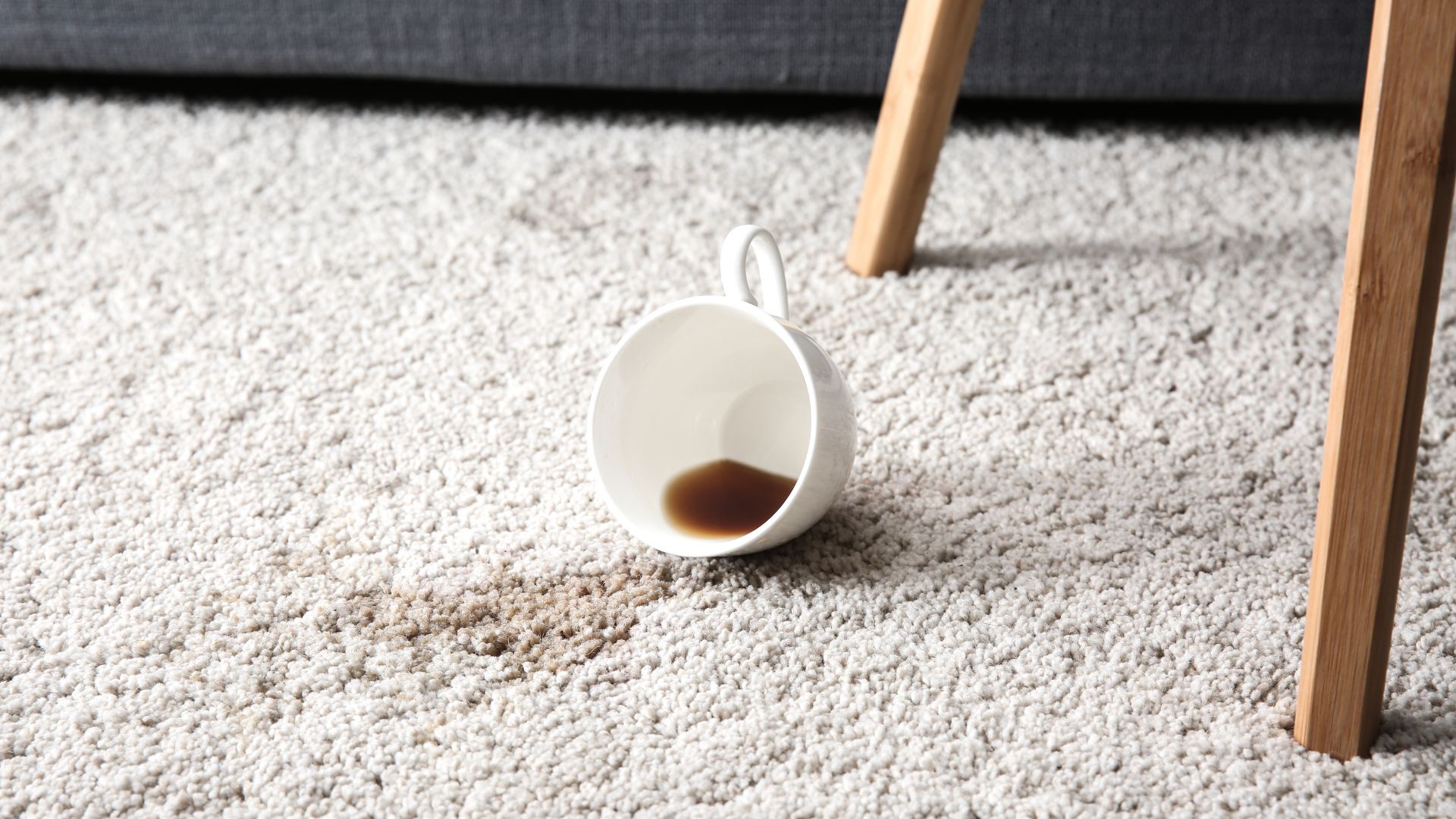
A fresh coffee spill is one of the easiest carpet stains to fix quickly, and just as easily made worse by the wrong first move. Blot it properly within the first few minutes, and the stain lifts cleanly. Scrub at it instead, and you drive it deeper into the fibres, turning a simple fix into a stubborn one. Once you’re blotting rather than scrubbing, speed and technique matter far more than which of the methods below you reach for.
This guide walks through what to do in the first few minutes after a spill, three at-home coffee stain removal methods that genuinely work, and where DIY treatment starts to fall short, particularly with older stains, delicate fibres, and Singapore’s humidity working against you. If you’re after the basics of cleaning a carpet more generally, we’ve covered that separately.
Act Fast: What to Do in the First Few Minutes
The first move sets the tone for everything that follows. Blot the spill immediately with a clean, dry cloth, working from the outer edge of the stain toward the centre. This stops the coffee from spreading further into the surrounding fibres.
Resist the urge to scrub, even if the stain looks stubborn. Scrubbing pushes coffee deeper into the pile and can damage the fibres themselves, particularly on wool or looped carpet.
Once the worst of the liquid has been lifted, add a small amount of cold water to dilute what remains, then blot again before applying anything else. This dilution step makes every method below more effective.
Three At-Home Methods Worth Trying
A few household ingredients handle most fresh coffee stains well, provided they are used correctly and given a little patience.
- White vinegar, mixed with a little dish soap and warm water. Dab a little onto a hidden patch, a corner under furniture or inside a closet works well, using a cloth. Wait a minute or two: if the colour looks the same, it’s safe to use; if the carpet fades or changes colour, skip this method. Once confirmed, blot the solution onto the stain from the edges inward, then rinse and blot dry.
- Hydrogen peroxide, mixed with a small amount of dish soap. Test it the same way on a hidden patch, since peroxide is more likely than vinegar to affect the dye on some carpets. No colour change after a minute or two means it’s safe to use: dab the solution onto the stain with a cloth and leave it to sit for around 10 minutes before blotting.
- A baking soda paste, made with water and left on the stain for around 20 minutes, then vacuumed once the carpet is fully dry.
Whichever method you use, let the carpet air-dry completely before vacuuming again. This lifts the fibres back into place and stops any leftover residue from settling into the pile.
Dealing With an Older, Dried-In Stain
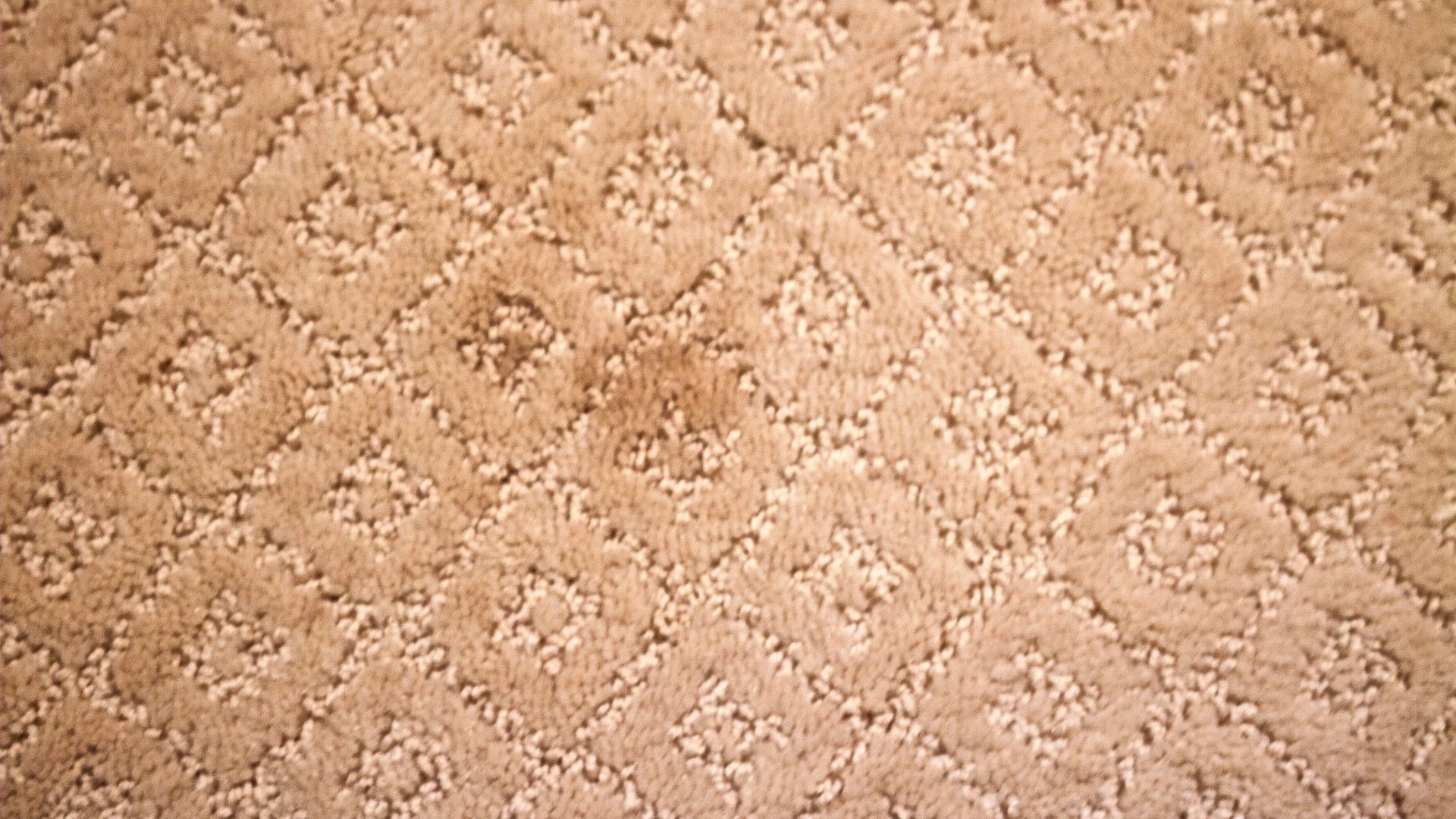 Cleaning an old coffee stain from a carpet takes a different starting point, since it behaves differently once it has had time to set. Loosen it first with a cloth dipped in warm water before applying any solution. Working a stiff, dry stain tends to spread the problem rather than lift it.
The vinegar and dish soap method still works on older stains, but usually needs a few repeat passes rather than a single application. Patience matters more here than product strength: rushing it tends to set the stain further rather than lift it.
A light dusting of baking soda while the carpet air-dries can help lift whatever residue is left behind after treatment, drawing out the last of the moisture along with it. Getting to a stain early is part of good carpet maintenance overall, and it’s what keeps a small spill from turning into a bigger job later.
Where DIY Methods Start to Fall Short
Most fresh coffee spills respond well to the steps above. A few situations, though, call for more than a kitchen-cupboard fix.
Wool and other delicate rugs need a much gentler approach than synthetic carpet. The wrong solution can affect colour or texture in ways that aren’t obvious until the carpet has fully dried.
Coffee with milk or cream needs different treatment altogether. Dairy residue behaves differently to black coffee and can leave a lingering smell that resurfaces days later, even after the visible stain is gone.
Oversaturating a carpet with cleaning solution or rinse water is tempting when a stain is stubborn, but extra liquid does not lift the stain any better. In Singapore’s humidity, carpet that stays damp too long is more likely to develop mould, with no real gain in how clean the stain comes out.
Final Thoughts
DIY methods handle a fresh spill well, provided they are done quickly and with the right technique. Older stains, delicate fibres, and milk-based residue are where they start to struggle.
Our professional carpet cleaning in Singapore combines fabric-specific methods, professional carpet cleaning machines, and hot-water extraction to lift what has already set into the fibres, rather than applying one generic approach to every stain and every carpet type.
For a wider refresh beyond just the carpet, get in touch for our professional deep cleaning services.