

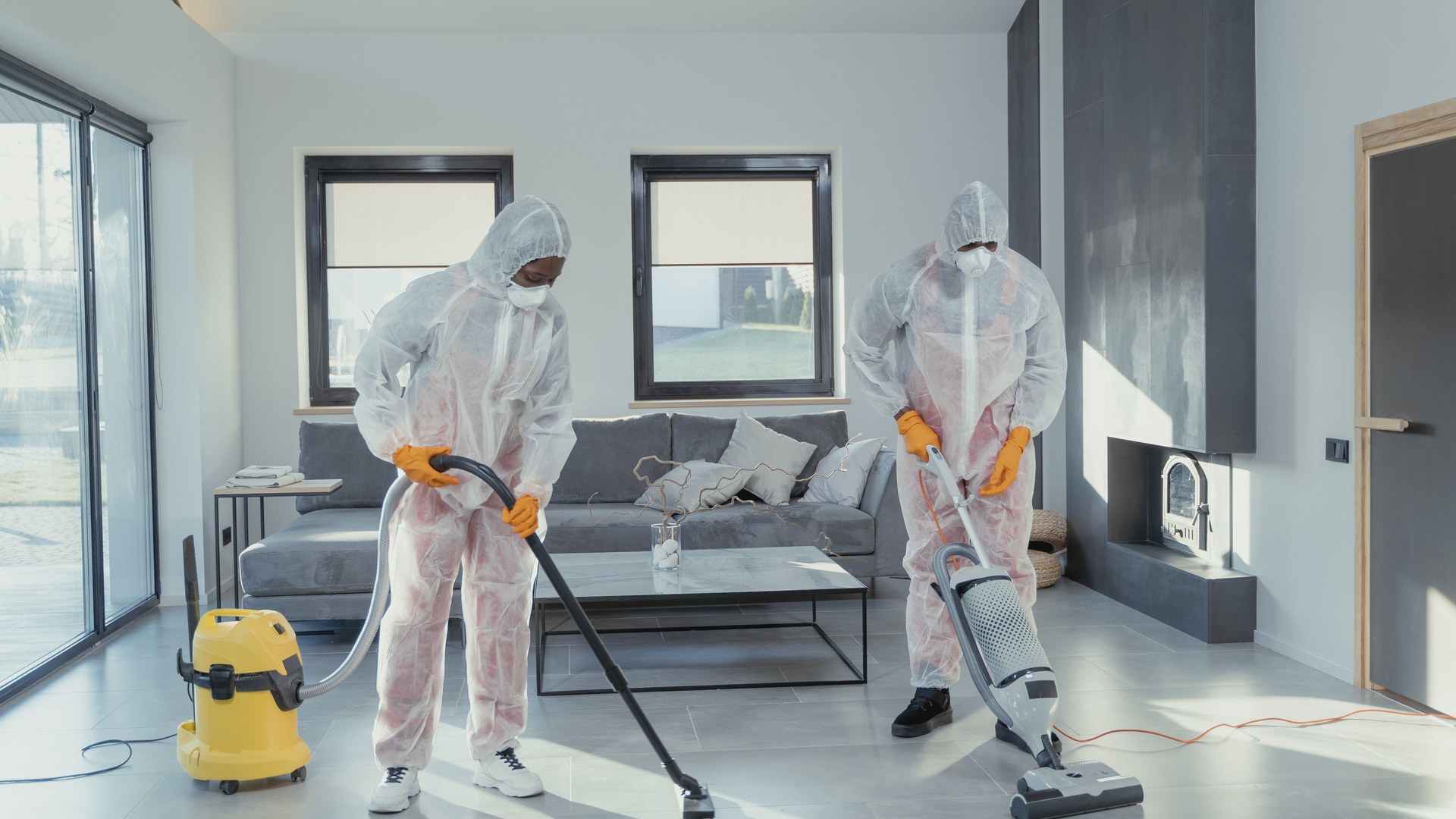
“Licensed” gets used loosely in the cleaning industry. Plenty of vans and websites carry the word as a badge of quality, but for cleaning businesses in Singapore it is a specific legal requirement, not a marketing term.
The Cleaning Business Licence has been mandatory since 2014, introduced as part of a longer effort with the Ministry of Manpower and the National Trades Union Congress to raise training, wages, and service standards across the sector. It is easy to overlook until you are the one signing a cleaning contract, at which point it becomes directly relevant. This guide covers who actually needs one, what falls outside its scope, and what it means for you as the one doing the hiring.
What the Licence Actually Covers
Under the Environmental Public Health Act 1987, any business offering general cleaning services at premises or in public places needs a Cleaning Business Licence before starting work. This applies even if cleaning makes up only part of what that business does, and regardless of how small the operation is.
The licence spans three sub-sectors: Office and Commercial, Food and Beverage, and Conservancy, which includes public areas managed by Town Councils. A business operating without a valid licence faces a fine of up to $10,000, up to 12 months’ imprisonment, or both, plus a further $1,000 for every day the offence continues. These are not token penalties, which tells you something about how seriously the requirement is meant to be taken.
Not Every Cleaning Job Needs One
Some categories of cleaning work are officially excluded from the licensing requirement, including cleaning of domestic premises, façade cleaning, and cleaning of swimming pools.
This means home cleaning specifically is not legally required to hold this licence, even though a business handling both residential and commercial work may still choose to hold one. If you are only ever hiring someone to clean your own home, this distinction rarely changes much for you directly. It becomes relevant the moment cleaning shifts from a private household arrangement to a commercial one, such as when an office, café, or retail unit engages a provider.
For those engaging office and commercial cleaning services to maintain workplace hygiene, the licence is not optional. It is the legal baseline for operating at all.
Why It Matters if You’re the One Hiring
 The obligation does not sit only with the cleaning company. It is also an offence for a service buyer to engage an unlicensed cleaning business for general cleaning services, carrying a maximum fine of $10,000 plus $1,000 for every day the offence continues.
This obligation applies throughout the length of a contract, not just at the point of signing. A provider’s licence status is worth checking periodically rather than only once, since circumstances can change well after a contract begins. For an office manager weighing up vendors, this shifts the licence from background detail into part of basic due diligence, alongside references and past client work.
NEA maintains a searchable register of licensed cleaning businesses, which is the most direct way to verify a provider’s status before you engage them.
What It Actually Takes to Get and Keep One
Licensed businesses fall into one of three licence classes set by NEA, and each carries its own requirements around track record and workforce training. The higher classes add further conditions, including a minimum paid-up capital and a valid safety certification.
Every class, regardless of tier, requires the cleaning workforce to complete recognised training covering both workplace safety and core cleaning competencies. This applies to full-time, part-time, and casual cleaners alike, not only permanent staff, which closes a gap that used to let temporary arrangements slip through.
Cleaning businesses must also submit a progressive wage plan for their resident cleaners, tying pay to recognised training and productivity standards rather than leaving it unregulated. This is close to the heart of what the licensing regime set out to achieve back in 2014. The goal was a workforce that is trained, retained, and paid in line with the skills it builds.
Final Thoughts
A Cleaning Business Licence is a legal requirement for commercial cleaning work, not a badge companies simply choose to display. Home cleaning is not required to carry the same licence. For that side of the business, buyers instead look for MOM’s Household Services Scheme approval.
We hold a Cleaning Business Licence for our professional commercial cleaning work, and we are MOM-approved under the Household Services Scheme for our residential deep cleaning services. If you are weighing up a cleaning arrangement for your home or your office, get in touch with Clean Off and we can talk through what fits.