

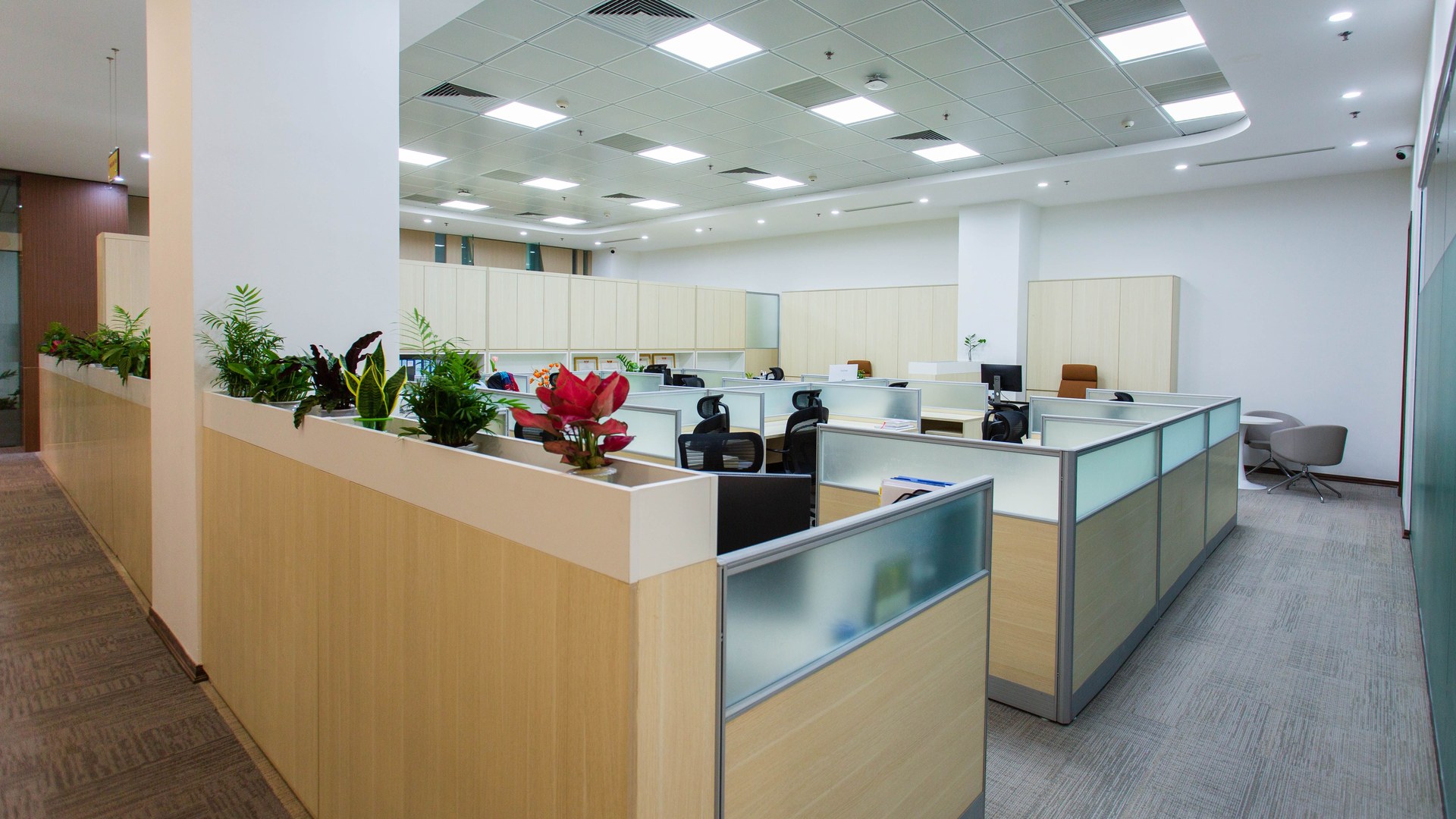
An office can look spotless and still leave people feeling worse by the end of the day than when they walked in. A headache that creeps in by mid-afternoon. A stuffy nose that clears the moment someone steps outside. Tiredness that has nothing to do with how much sleep anyone got the night before.
This pattern has a name: sick building syndrome. Searches for sick building syndrome Singapore have grown as more offices ask what sits behind it. It is a documented pattern, and it shows up more often in air-conditioned, open-plan workplaces than most people realise. This guide covers what sick building syndrome actually is, what is understood about its causes, and what falls within a facilities team’s control.
What is Sick Building Syndrome?
Sick building syndrome describes symptoms that get worse the longer someone spends in a particular building and ease once they leave it. It is not tied to one illness or one clear cause. It is a pattern, and the pattern is what matters.
Often, more than one person in the same office reports similar symptoms around the same time. That is one of the clues pointing towards the building itself rather than something else entirely.
How to test for sick building syndrome comes down to that same pattern rather than a single lab result. There is no diagnostic test that confirms it on its own. The clearest indication is whether symptoms consistently line up with time spent in the building and ease once someone steps outside it.
The symptoms involved are common ones, and on their own they could come from almost anything. What sets sick building syndrome apart is the timing. Symptoms that persist even on days away from the building, or that follow someone from home to office to everywhere in between, are unlikely to be building-related.
What Causes Sick Building Syndrome
There is no single, confirmed cause. What is understood is that a combination of factors tends to be involved rather than one clear trigger.
The factors most commonly pointed to include:
- Poor ventilation or air conditioning systems that are not properly maintained
- Dust, fumes, or fabric fibres circulating in the air
- Crowded desks and layout issues that limit fresh air and space
- Bright or flickering lighting
Open-plan layouts come up often in this picture, and that describes a large share of Singapore’s air-conditioned office space. It does not mean every open-plan office has a problem. It means the layout is one of several conditions that can make symptoms more likely to develop.
Common Symptoms to Watch For
 Reported symptoms include headaches, a blocked or runny nose, dry or itchy skin, sore or irritated eyes and throat, coughing, and tiredness that makes it hard to concentrate.
The useful pattern to look for is not the symptom itself but where and when it happens. Symptoms that cluster during office hours and ease once someone leaves the building fit the pattern most closely.
Symptoms that persist all day regardless of location point towards something else. The same goes for symptoms that only ever appear outside the office. Sick building syndrome is specifically about the building.
How to Manage Sick Building Syndrome
Facilities teams cannot control everything that contributes to sick building syndrome, but several of the known factors sit within reach.
Improving ventilation, including opening windows where the building allows it, and keeping air conditioning systems properly serviced addresses two of the most commonly cited contributors.
Reducing dust and fabric fibres is a separate task, because daily vacuuming only removes what is still sitting on the surface. Dust, skin cells, and fine debris settle further into carpets and upholstery with every day of foot traffic, past the point a standard vacuum can reach.
Getting below that layer calls for a proper extraction process rather than another pass with a vacuum. Hot-water extraction, often paired with a UV vacuuming step beforehand, lifts embedded dust and fibres out of the fabric itself rather than just off the top of it. For offices, this is typically scheduled outside business hours so the space is ready again the next working day.
How often this is worth doing depends on foot traffic. Reception carpets and meeting-room seating in a busy office usually need it more often than lower-traffic corners, and a facilities team is generally best placed to judge which zones see the most use.
None of this guarantees symptoms disappear, since the cause is rarely a single, isolated one. Still, addressing the factors within a facilities team’s control is a reasonable place to start, and folding ventilation checks, dust control, carpet care, and office waste disposal into a regular office cleaning checklist keeps them from being treated as one-off tasks.
Final Thoughts
Sick building syndrome does not trace back to one cause. Poor ventilation, under-maintained air conditioning, and dust or fabric fibres in the air are among the factors consistently linked to it.
Facilities teams cannot manage every variable, but keeping high-traffic carpets and upholstery properly maintained is one piece that sits within reach. Regular cleaning of these areas removes some of the dust and fibres that build up in fabric over time and helps improve workplace hygiene, particularly in reception areas and meeting rooms that see constant footfall.
We provide professional office cleaning and commercial office carpet cleaning built around business hours, with a documented process designed for high-traffic, air-conditioned spaces. Get in touch with Clean Off to discuss a cleaning schedule for your office.